David Boles

This is my personal corner of the David Boles network. The formal author bio with the credentials and the comprehensive book catalog lives one click away at https://bolesbooks.com/authors/david-boles.html. What follows here is the rest of it: the cats, the kettlebells, the daily livestream, the side projects that started as experiments and turned into substantial things, the older websites that predate the current redesign and remain online for archival reasons, and a running snapshot of what currently has my attention. The page has been here in some form for over twenty years and has earned the right to be a little strange.

I was born in Lincoln, Nebraska in January 1965 and started getting paid for writing in 1975, age ten, when a piece of mine appeared in a local Lincoln newspaper. By my teen years I was hosting Unique Youth on KFOR-AM 1240 and KFRX-FM X103 and serving as the Teenaged Movie Critic for KOLN/KGIN-TV's Kidding Around program. The MFA from Columbia University (Oscar Hammerstein II Center for Graduate Theatre Studies) came later. My Dramatists Guild membership has been continuous since 1984. Boles.com has been online continuously since 1995.

Behind-the-scenes work in television, film, and live stage came after college: original productions including The Westborough Crusaders television series for Cablevision, The Weeping Water Cafe (stage and KPTM-TV), A Stone's Throw at the University of Nebraska-Lincoln Department of Theatre Arts & Dance, and the art house film Watershed. As an undergraduate I was the youngest associate editor for the Prairie Schooner literary quarterly published by the University of Nebraska-Lincoln, and my short story McDugan's Barn won the Mari Sandoz Prairie Schooner Award for Fiction in 1984. My consulting clients across the years have included Google, New York University, CBS Television, American Express, the City University of New York, Microsoft, Netscape, ABC Pictures, the Nebraska ETV Network, and others.

Download my complete Curriculum Vitae for the line-by-line institutional record.

David Boles work timeline in da Vinci style

Daily Life

I live between New York City and Jersey City with two British Shorthair cats, Percy (a Blue female) and Lotty (a Lilac male). The cats have their own running archive at BolesBrits.com and they occasionally show up in the David Boles LIVE! stream. I usually start mornings with kettlebell work, which is the foundation of Boles Bells, my over-fifty fitness project that has produced The Get-Up (December 2025), The Swing, The Press, and other volumes still in development. The Human Meme podcast has run since 2016 in an intimate format with no production music or sweetening, just two microphones and whatever the conversation wants to do.

Recent Work

My recent books are mostly institutional criticism, which is a polite way of saying I follow large, confident systems around and write down what they actually do. Most of them shelve under Ideas & Inquiry and Technology. The habit produces a book every season or so. I keep thinking the next one will get it out of my system. It never does.

The newest is The One-Way Drop, my history of contamination arithmetic, the rule that one drop of the wrong thing ruins the whole. It opens in a Philadelphia laboratory where a sterilized roach ruins clean juice, then follows the arithmetic through the Virginia statutes, the census pencil, the Toledo purity trials, the Nuremberg drafting rooms, the caste distance tables, and the detectors now grading prose, my own included. The book ends in a kitchen, with a dietary law that forgives an accidental drop, because the people who wrote it had to eat the dinner. Read the direction of a rule and you have read its maker.

Before it came No One Dies Lying, my history and cross-examination of the dying declaration, the law's oldest wager about truth. It opens in 1929 with Zenana Shepard's sentence at Fort Riley, Kansas, and follows the wager from the Tudor scaffold to Desdemona's dying lie to the text message no American court has yet received. The woman the book orbits reaches it only through other mouths, and I kept that discomfort on the page. The verdict waits in the last chapter, where a verdict belongs, and the dedication names her, because she was telling the truth.

Earlier came Swimming the Author, my history of the instruments built to decide whether a writer wrote the writing, from the pond that could only convict to the detector that scores prose for humanity. Fourteen chapters follow one question, who is allowed to have written this, from Phillis Wheatley's eighteen signatures to the student flagged at two in the morning. I wrote it from inside the water, as a claimant in the certified class of Bartz v. Anthropic, and I kept every dated draft so the book could pass its own test. The last line is four words, and I meant every one.

Earlier still came Tidal Volume, which asks what it means to say that a thing breathes and then refuses most of the things that look as though they do. The rule sits in the first chapter, two clauses, where a reader can see it and argue with it, and the rest of the book applies it in the open to twenty-two candidates. Nine passed. Twelve failed. One I left open. Four of the verdicts came out against the answer I wanted, and I printed those too, because a rule that only ever agrees with its author is a preference with a lab coat on.

The Occupied Space is my answer to Peter Brook at the sixty-year mark of The Empty Space. His famous bare stage was never bare: somebody owns the floor, polices it, and pays the light bill, and the one who crosses it can die while crossing. I spent twelve chapters proving it, and fifty years earning the right to, then built the room I would rather work in. The doctrine has stood on my marquee since 1985: Playwrights Must Direct.

A cluster of the recent books follows the body through the institutions that claim it. DO HARM begins with a word a physician handed me in a shut Newark office, nosocomial, the illness you walk in without and walk out carrying. The Claimed Body traces how American institutions divided the human organism among themselves, from the birth score to the dying registry. Back to Willowbrook, written with Janna Sweenie, records American disability rights won and then reversed, with her testimony running through it in the first person.

Another cluster follows the mind into the rental market. The Rented Mind sets the 2025 Iberian blackout against a century of failed prophecies about the classroom, and argues that the formed mind is the one property no regime, court, or outage can repossess. No, I Will NOT Be Your Friend, also with Janna, audits a word the platforms now spend on strangers by the billion. The God in the Wire asks where meaning goes when a civilization trades its gods for its machines.

The rest of the shelf interrogates the dead and their paperwork: Barbarous Ancestors follows rule-by-corpse from the Cadaver Synod of 897 into the originalist Supreme Court, The Two Letters weighs the Golden Record's find-us against the desert warning's flee, and The Black Ram tracks five thousand years of the marked victim a frightened people drives out to feel clean. Beyond the Burial Tree stays closest to home, tracking seized Native American graves and the unfinished Pawnee return in the Loup River valley where my grandfather kept his pharmacy. UNDERWRITTEN performs the autopsy of public broadcasting, Tomorrow as Tribute watches a dozen democracies trade their material future for a fantasy past, The Necessary Art hands the word art back to the working professions, and Synalosis, the one that cuts deepest, names the shape by which a target's options close to one.

Under all of it sits a long reading bench, Hannah Arendt and Hugh Hammond Bennett side by side, totalitarianism and topsoil. The question under every one of these books stays the same: do institutions designed in one century survive contact with the next one? So far the score favors the century.

What I'm Writing These Days

What follows below is everything I currently have in motion, mixed together as it actually exists in my workshop: standalone novels next to philosophical inquiries, plays next to cultural autopsies, three series in their own corners. The formal page categorizes all of this into proper shelves. This page lets the work sit together the way it actually gets made, with one book's research bleeding into another book's argument and a podcast episode opening up a question that becomes a chapter six months later.

Fractional Fiction: A Literary Production Series

Fractional Fiction is a literary production methodology that transforms public domain works through systematic synthesis with contemporary scientific research. Each novel begins with a classic source text, integrates current research from peer-reviewed domains, and follows established dramatic frameworks to create original narratives that carry the weight of literary tradition while speaking to present concerns.

The series methodology: classic literature + contemporary research + structural framework = original narrative. Not adaptation. Not pastiche. Transformation with purpose.

The series now runs eleven novels, from The Dying Grove to the newest, The Disposition: one night in a wildlife rehabilitator's office above Puget Sound, where a green ledger of four thousand one hundred and six lines holds eleven entries that belong to children, and one line that is false. The braid under it is Emma-Lindsay Squier's The Wild Heart, Hesiod's Theogony, and Dante's Inferno in Longfellow's English.

The Westborough Crusaders: A Young Adult Trilogy

In 1982, a sixteen-year-old wrote eight episodes of a dramatic television series about a high school newspaper, a dying boy, a bully, and the adults who failed all of them. Two episodes were produced for Cablevision, won a Cable ACE Award, and aired across the Omaha metropolitan area. The remaining six were never filmed. The scripts survived. Forty-four years later, the series becomes three novels: the year before the cameras arrive, the year they record, and the year after they leave.

Eight scripts. Two episodes. One trilogy. The characters are fictional. The feelings are not.

The EleMenTs Series: Young Adult Fantasy Trilogy

Four disabled teenage girls discover elemental powers that defy explanation. Elle is Deaf and commands wind. Meen is blind and controls fire. Teena has cerebral palsy and moves earth. Tal has autism and feels water. Their names encode their identity: take the right letters from Eleanor, Mingzhu, Christina Sarah, and Talia, and you spell EleMenTs.

Hunted by Prometheus Applied Sciences, they must choose between hiding and fighting for a world that has always underestimated them. The trilogy follows their arc from discovery in the tunnels beneath New York City to a Senate hearing in Washington where visibility becomes either liberation or the final vulnerability.

Browse all fiction →

Language & Deaf Culture

ASL Linguistics for Practitioners

A textbook series co-authored with Janna Sweenie, MA. These advanced textbooks bridge the gap between theoretical linguistics and practical application, providing the rigorous frameworks that advanced signers, interpreters, and educators need.

Beyond the Hands examines non-manual grammar, discourse structure, and sentence types, revealing how the face carries grammar in ASL. Depicting Space addresses classifier morphology and spatial grammar, teaching signers to think spatially while signing temporally. Arm Angles in American Sign Language examines how the shoulder, elbow, and upper arm function as primary articulators, carrying semantic weight that affects meaning, register, and comprehension.

Browse Language & Deaf Culture →

Anthologies & Collections

Browse Anthologies & Archives →

Ongoing Projects

My ongoing projects include the ASL Opera initiative, where Janna Sweenie and I bring American Sign Language interpretation to the international opera experience. My David Boles: Human Meme podcast has been examining consciousness and the human condition since 2016, in an intimate format with no production music or sweetening. I write regularly for Prairie Voice and Boles Blogs, and currently have multiple books in production across Ideas & Inquiry, Technology, Fiction, and the Fractional Fiction series.

"I can't see what it is; and I don't know what it isn't."

David Boles Books Writing and Publishing, the imprint I have run since 1975, has been making truth part of the public record through books, blogs, podcasts, and performance scripts. My catalog now includes more than fifty published volumes, with new titles appearing across the network throughout 2026. I have kept Boles.com online continuously since 1995, making it one of the longer-running personal-archive websites still on the public web.

I stream daily on boles.tv as David Boles LIVE!, with ongoing commentary and conversation. Drop in any time.

The Boles Constellation

Boles.com

The Prairie Voice Archive, operating continuously since 1995.

Visit the Archive →

Human Meme

Podcast examining consciousness and the perils of the human condition.

Listen Now →

Prairie Voice

Literary journalism examining old-time morals seeking standing in a modern world.

Read the Voice →

United Stage

Playwright advocacy. The Playwright's the thing.

Enter the Stage →

Script Professor

Script doctoring services. "David Boles is Abe Burrows without the Pulitzers!"

Get Script Help →

Boles.ai

Artificial intelligence research and experimentation.

Explore AI →

Boles Bells

Kettlebell fitness for those over 50. Strength training meets philosophy.

Start Training →

Hardcore ASL

American Sign Language education with Janna Sweenie.

Learn ASL →

Boles Brits

Meet Percy and Lotty, the British Shorthair companions.

Meet the Cats →

Boodle Boy

Creative services and consulting.

Work with Boodle Boy →
David Boles: Boodle Boy Engine David Boles, Blogs Polymath David Boles: Human Meme Algorithmic Prairie Voice Communication

Video Works

Gallery

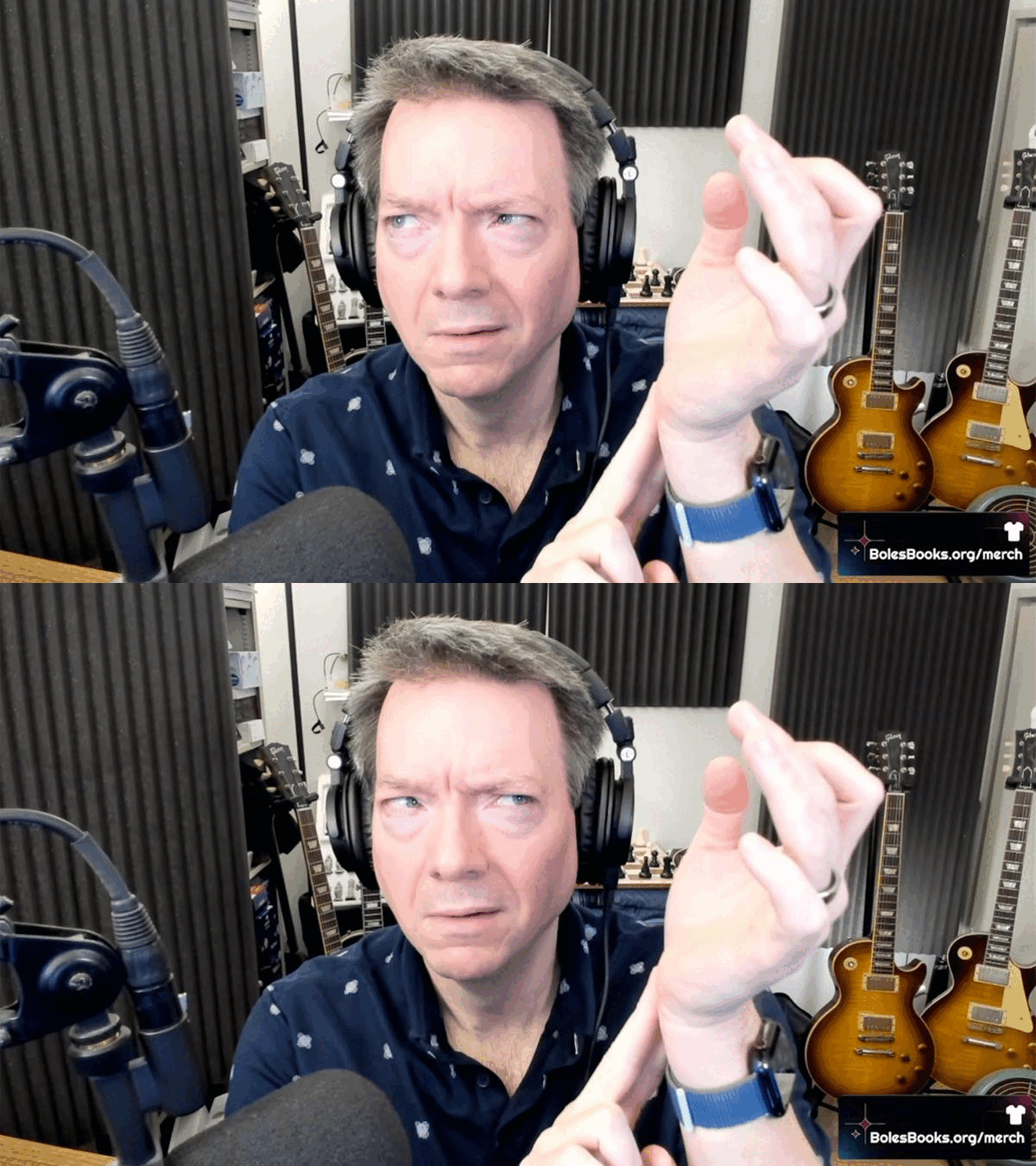
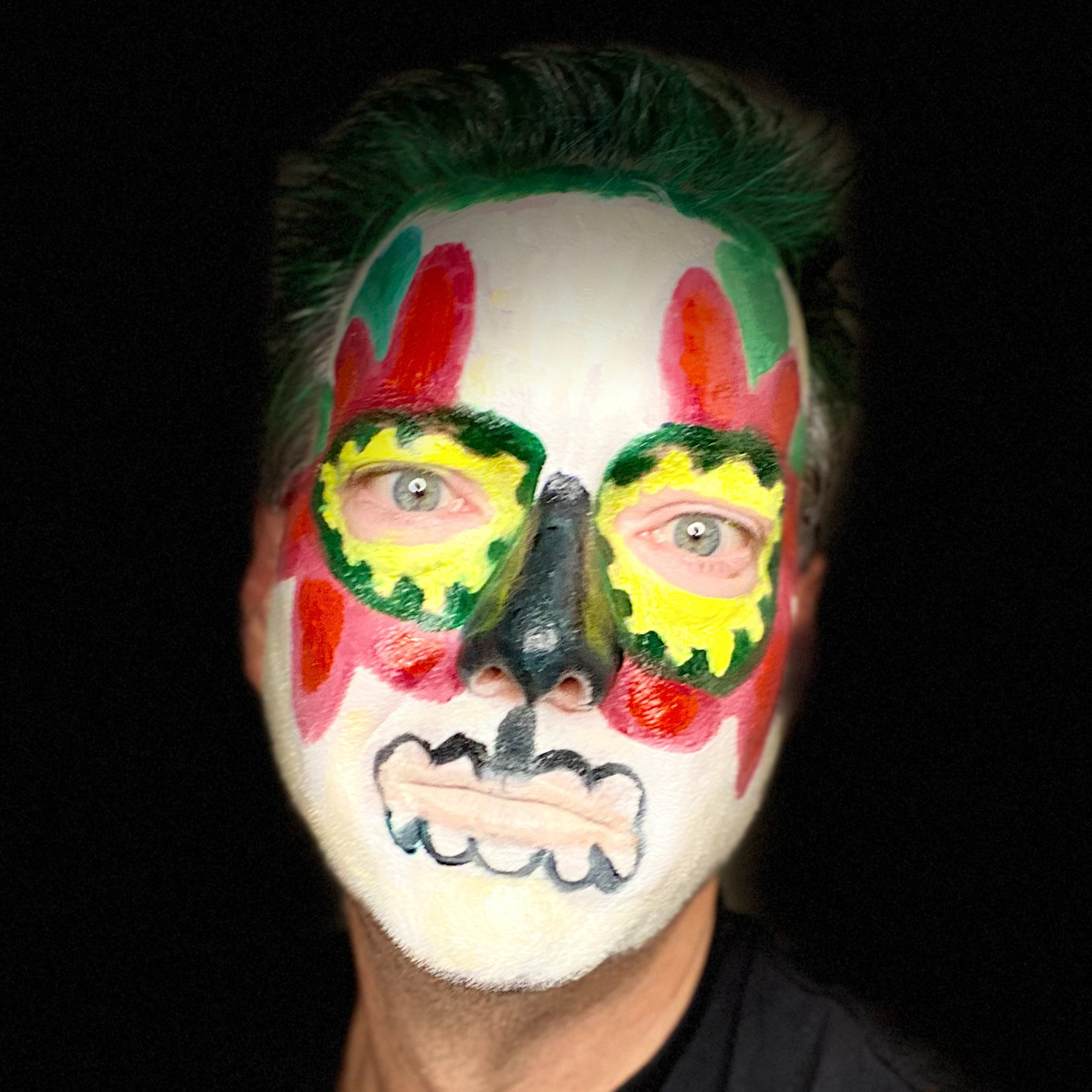
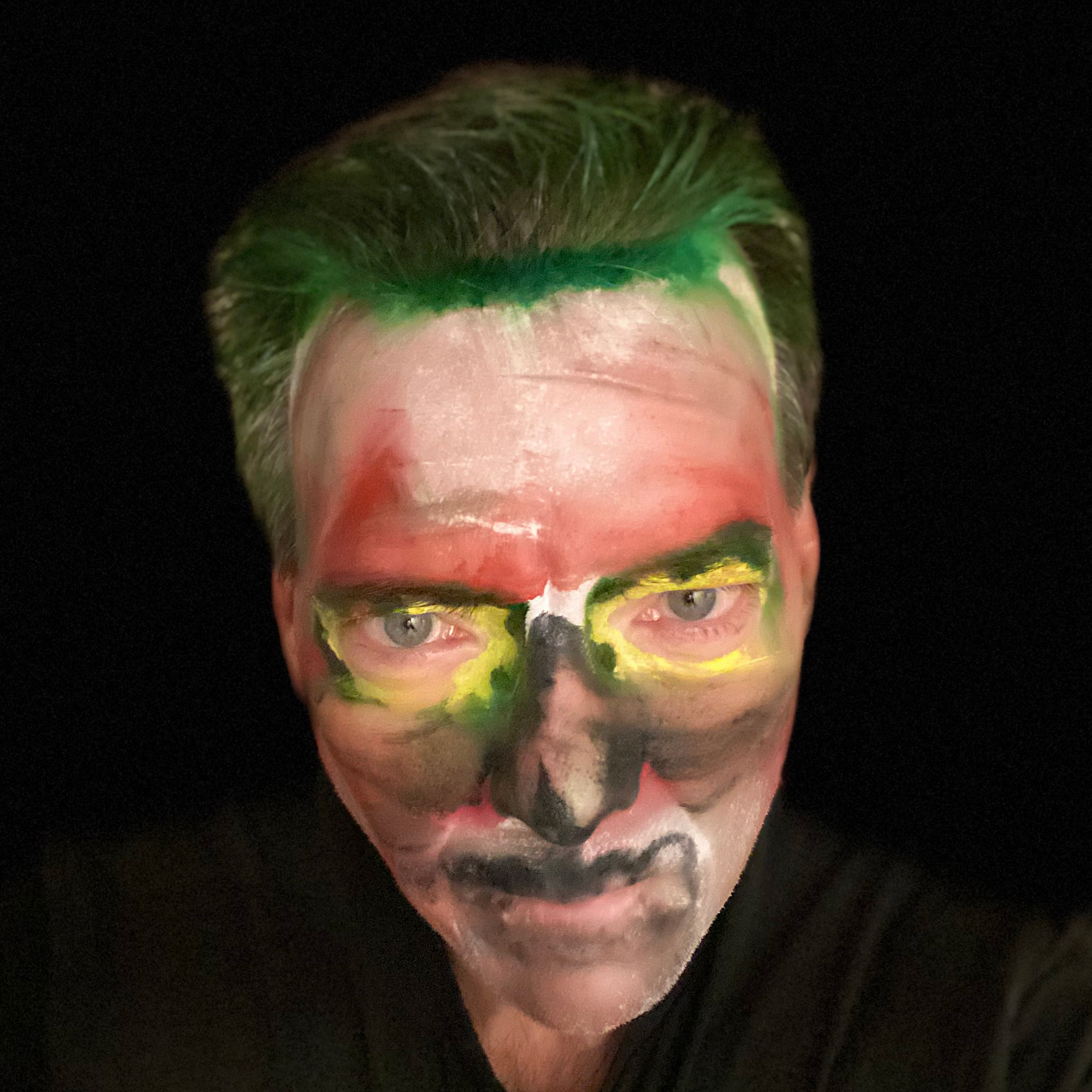
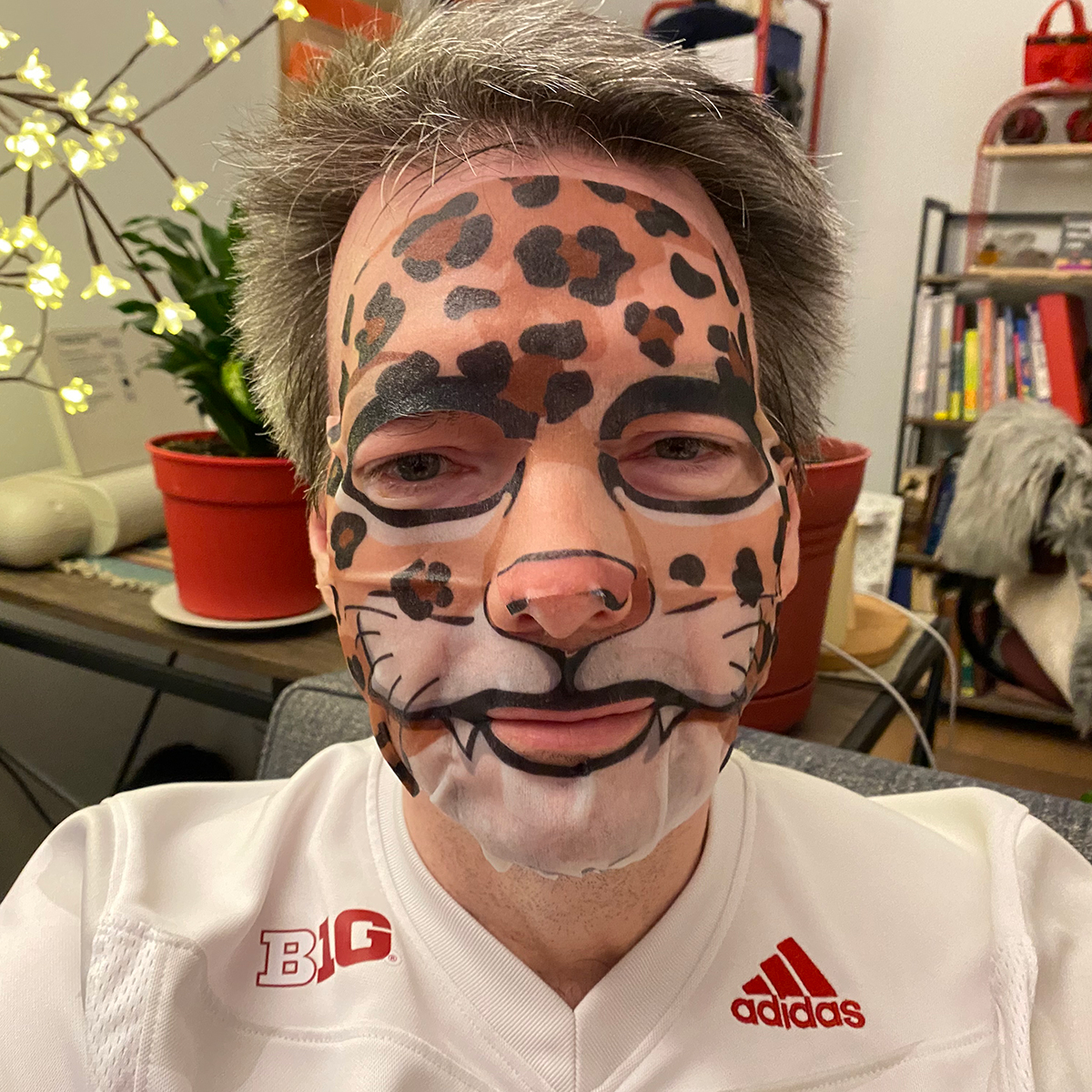
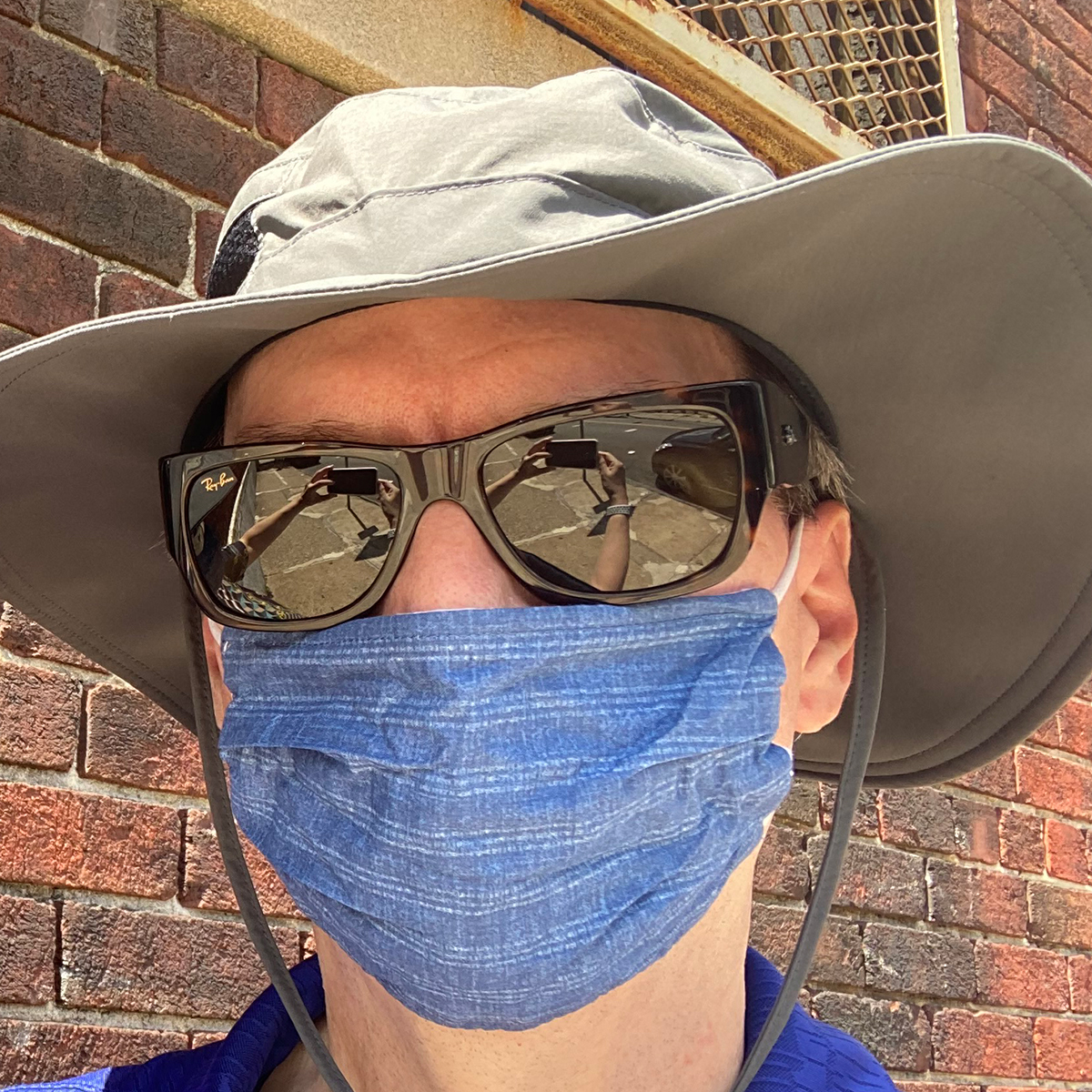
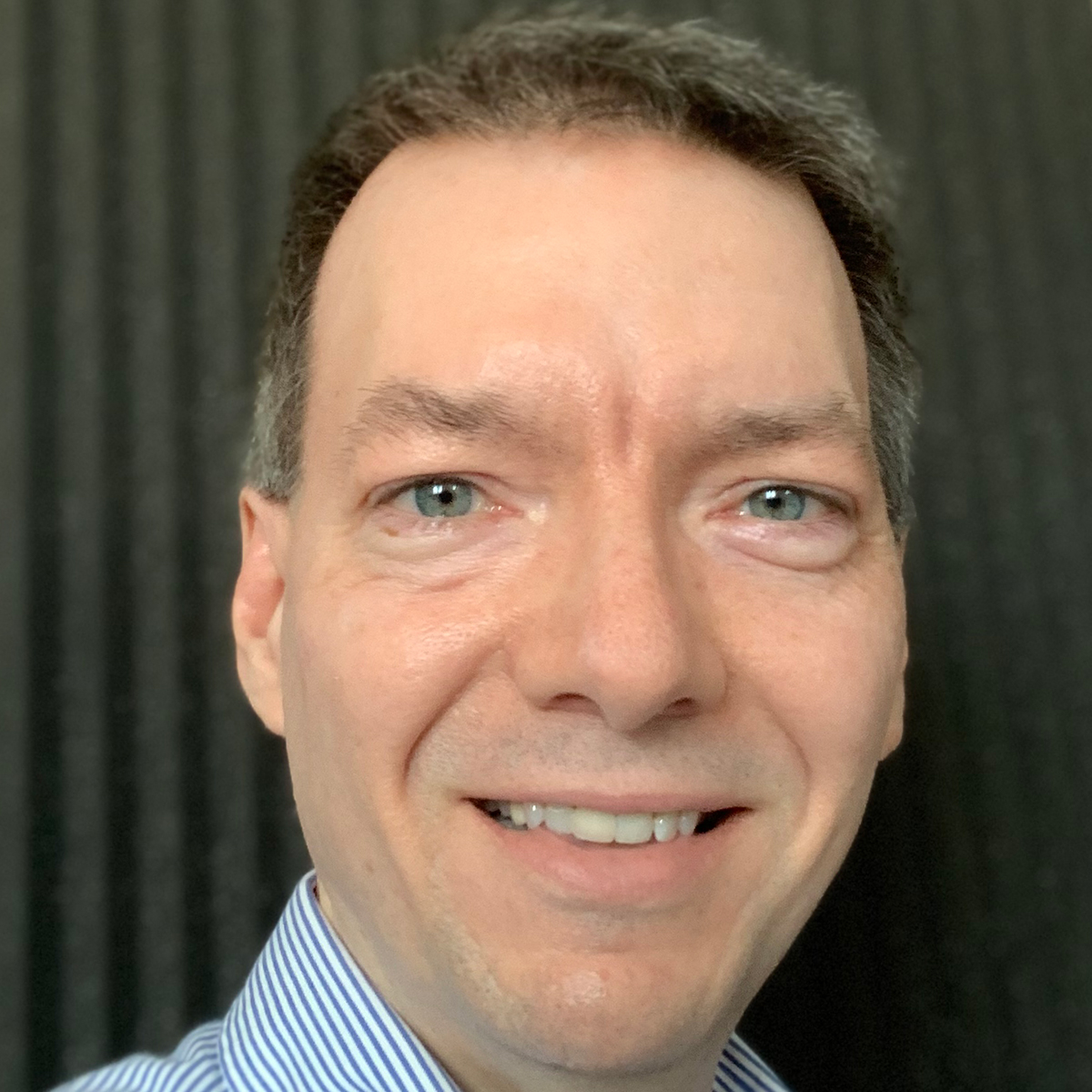
David Boles, September 2019 David Boles glassed, hatted and masked, 2020 David Boles, Squared David Boles, voir dire David Boles, Cat-like Brick Wall Boles David Boles, Trader Joe's Sugar Skull David Boles as Robert Ghoul-let David Boles, Dead or Alive?

Human Meme Podcast Archive

Connect

Follow me on Mastodon at Boles.xyz. Download my complete Curriculum Vitae.